
3D Learning Hub

3D Printing in Medicine: Applications, Benefits and Future Opportunities

Key Takeaways

  • 3D printing in medicine enables personalized medical devices, from orthotics and prosthetics to surgical guides and anatomical models.
  • Additive manufacturing improves precision and efficiency, helping healthcare professionals better plan and perform procedures.
  • Digital workflows and advanced materials make faster innovation possible, from prototyping to final medical applications.
  • 3D printing is already transforming healthcare, improving patient care, training, and medical device development.

    Introduction

    3D printing in medicine is rapidly changing how healthcare professionals design, produce, and use medical devices. From patient-specific surgical tools to personalized prosthetics and anatomical models, additive manufacturing enables new levels of precision, customization, and efficiency.

    Today, hospitals, medical device manufacturers, researchers, and orthotics specialists use 3D printing to improve patient outcomes, accelerate innovation, and reduce production constraints associated with traditional manufacturing methods.

    In this article, we explore what is currently possible with medical 3D printing, the main applications already transforming healthcare, and how additive manufacturing is shaping the future of medicine.

    What is medical 3D Printing?

    Medical 3D printing refers to the use of additive manufacturing technologies to create healthcare-related products directly from digital models. These products can include the following

    The key advantages of 3D Printing in Medicine

    Personalization and Mass Customization

    One of the main advantages of 3D printing in healthcare is the ability to produce patient-specific devices. Each anatomy is unique, and additive manufacturing allows medical professionals to design devices that perfectly match patient morphology.

    This is especially valuable for orthotics, prosthetics, and surgical planning tools.

    Faster Development and Iteration

    Compared to traditional manufacturing methods, additive manufacturing enables rapid prototyping. Designers and medical engineers can test, modify, and improve devices quickly, reducing development time.

    Complex Geometries and Lightweight Design

    3D printing allows the creation of shapes that are impossible or too costly to produce with conventional techniques. This enables lightweight structures, optimized ventilation, and improved comfort for wearable medical devices.

    On-Demand Production

    Medical devices can be produced when needed, reducing inventory costs and allowing hospitals or manufacturers to respond faster to patient needs.

    Medical software and digital workflow

    Before printing, a 3D model must be created. Medical 3D modeling software enables the conversion of imaging data into printable files. This digital step is essential for ensuring accuracy and device performance.

    Digital workflows also facilitate collaboration between engineers, surgeons, and manufacturers, improving communication and reducing errors during production.

    In orthotics and prosthetics, specialized digital tools are increasingly used to streamline design and production processes, as explained in our article on O&P Software: Digital tools for Orthotics & Prosthetics.

    3D Printed anatomical models for planning and education

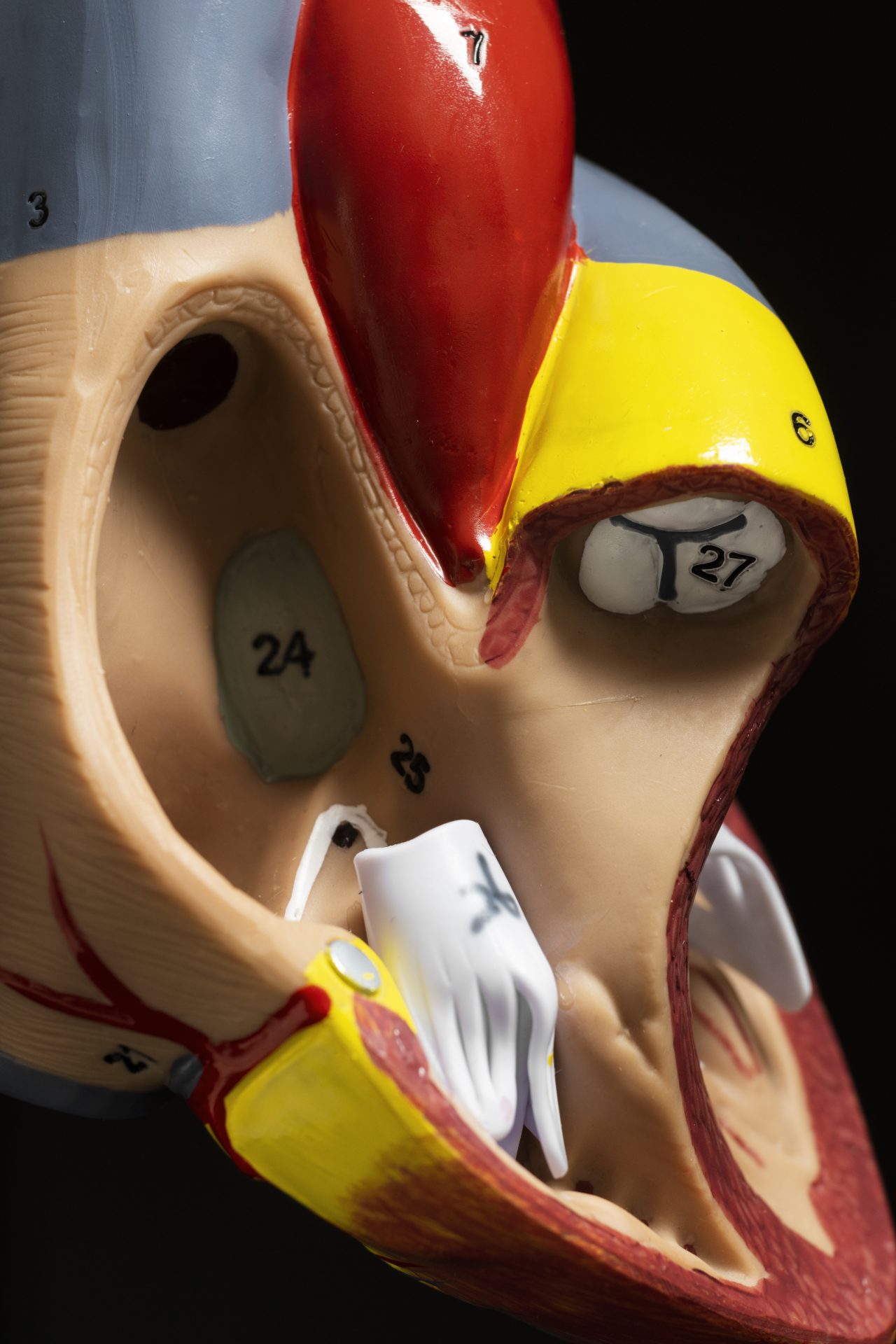
    One of the most widely adopted applications of 3D printing in medicine is the production of anatomical models.

    Sculpteo 3D Printed anatomic model from Slicer 3D

    These models allow surgeons to:

    • Better visualize complex anatomy

    • Prepare and simulate surgeries

    • Improve patient communication

    • Train students on realistic replicas

    Anatomical models help reduce uncertainty before complex procedures and can contribute to shorter operation times and improved surgical outcomes.

    Surgical guides: improving precision in the operating room

    3D printed surgical guides are custom tools designed to help surgeons position implants or perform cuts with high accuracy. Designed directly from patient imaging data, they ensure reproducible and precise procedures.

    3d printed surgical guide

    Benefits include:

    • Reduced surgery time

    • Increased accuracy

    • Improved procedural confidence

    • Better patient outcomes

    This application illustrates how additive manufacturing directly supports clinical practice.

    Orthotics and Prosthetics: Personalized healthcare solutions

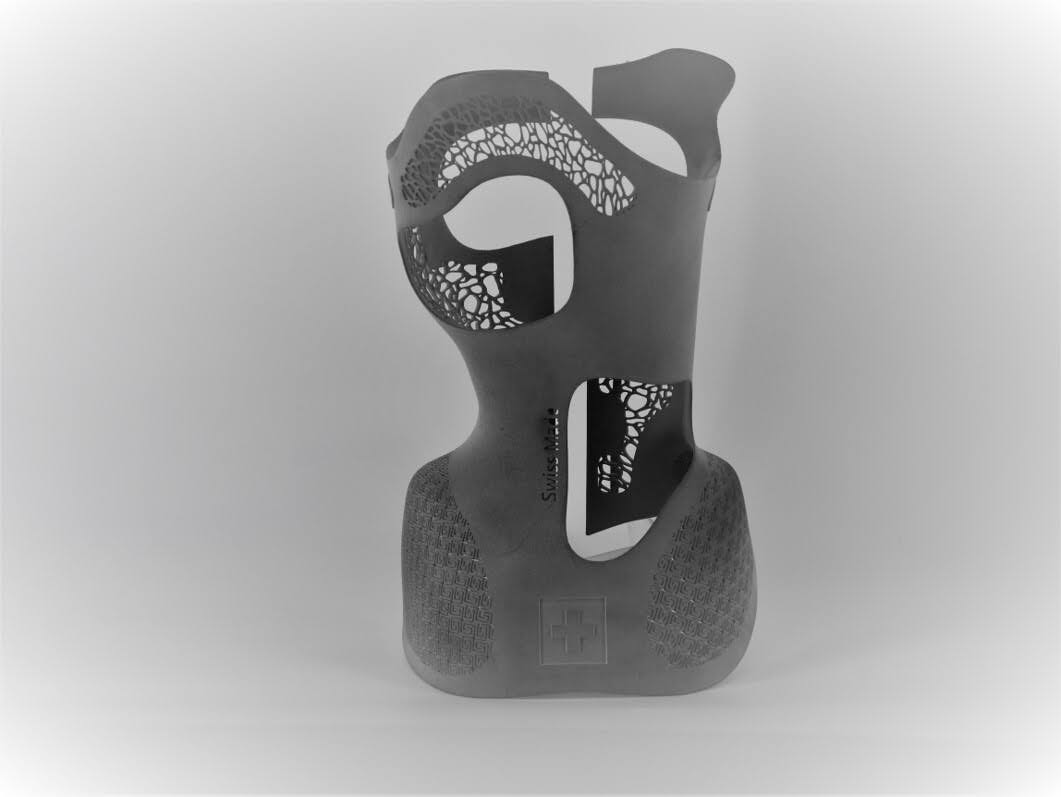
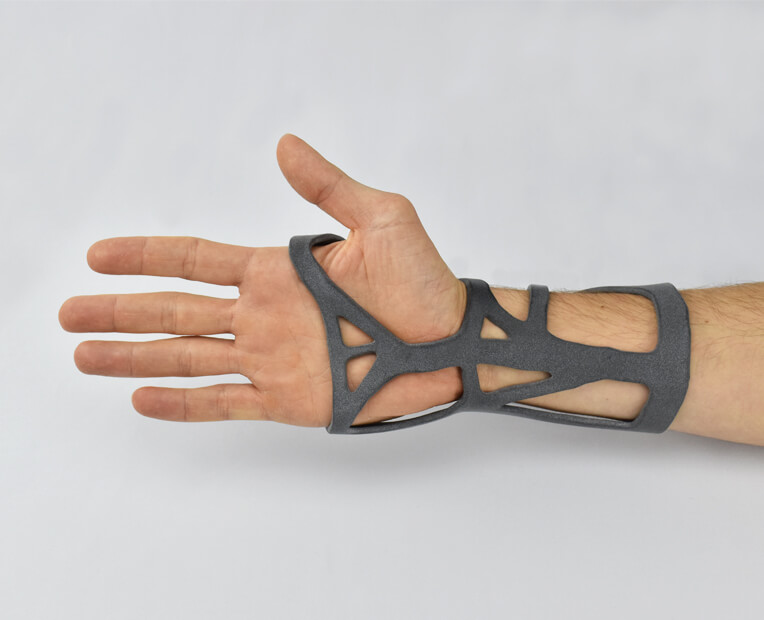
    Orthoses benefit greatly from additive manufacturing thanks to customization and lightweight structures. Devices can be adapted to patient anatomy while improving comfort and ventilation.
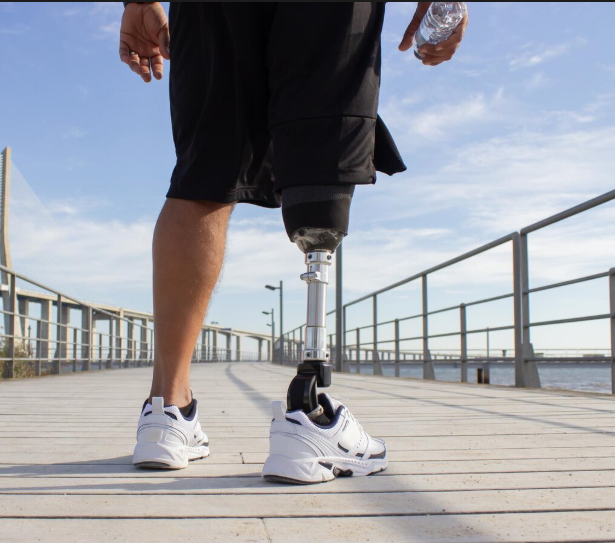
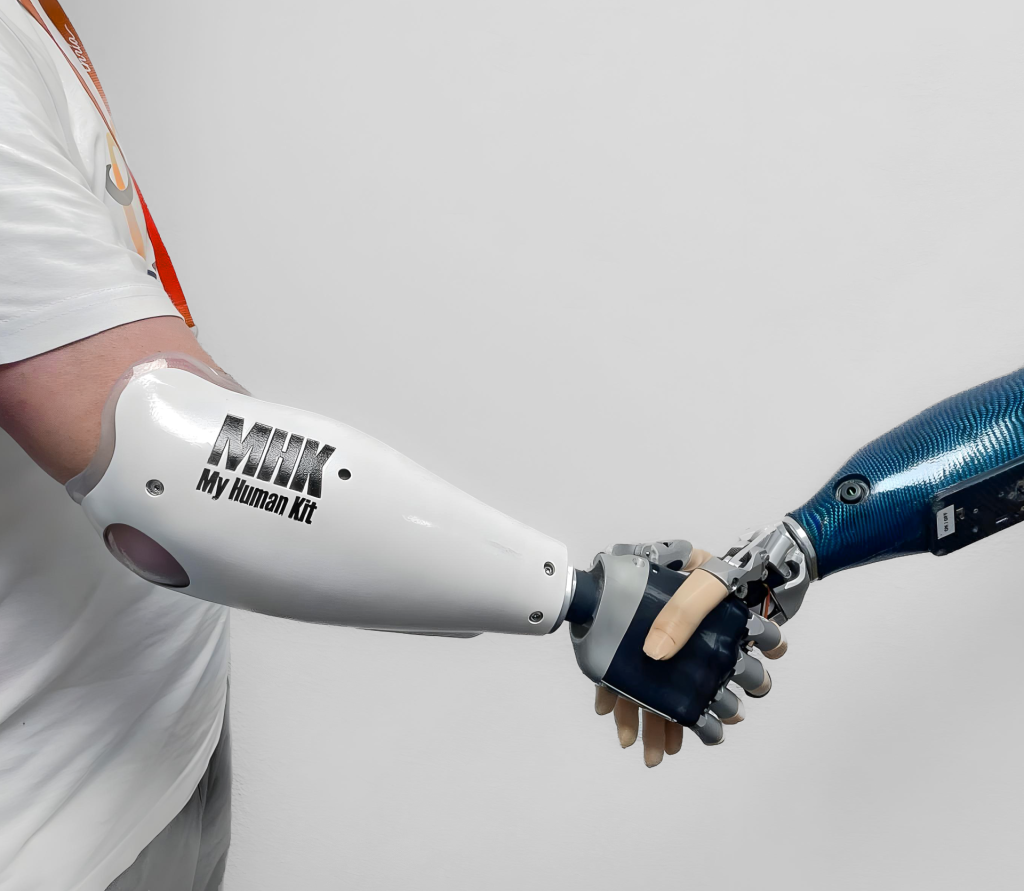
    3D printing also facilitate the creation of affordable and customized prosthetic devices. The flexibility of design allows improvements in ergonomics, weight reduction, and aesthetics.

    MyHumanKit_Bionicohand

    Benefits include:

    • Reduced surgery time

    • Increased accuracy

    • Improved procedural confidence

    • Better patient outcomes

    Customization also allows practitioners to iterate quickly and improve fit without restarting the entire manufacturing process.

    Specialized medical applications

    Cranial Remolding Orthoses

    casque plagiocéphalie enfant

    Additive manufacturing also supports specialized treatments, such as cranial remolding orthoses used in plagiocephaly treatment. Custom design ensures precise correction while maximizing infant comfort.

    Medical Enclosures and Equipment

    Jib eye

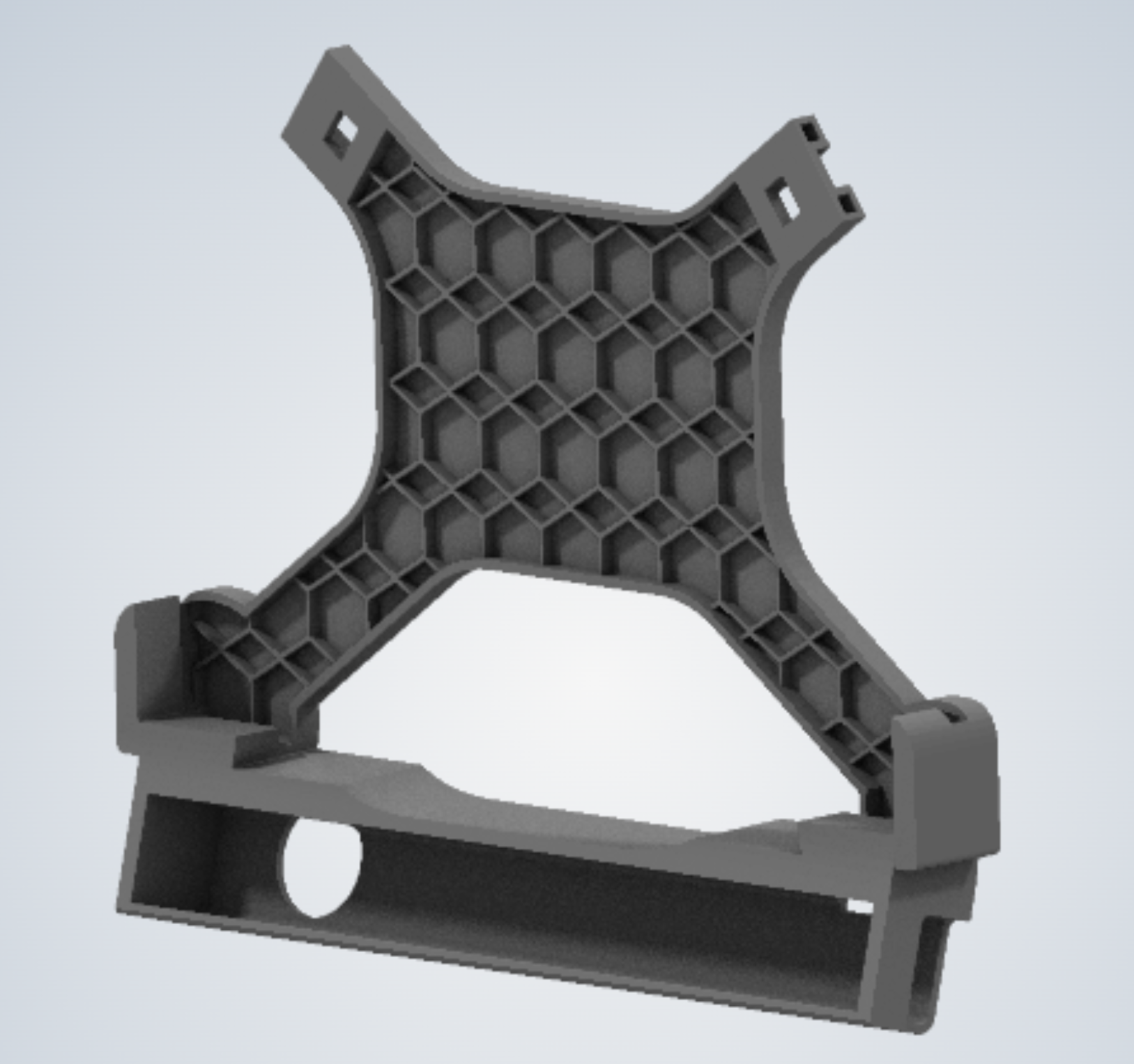
    Beyond patient-facing devices, 3D printing is widely used to produce custom enclosures for medical electronics, diagnostic devices, or laboratory equipment.

    Materials for medical 3D Printing

    Material selection plays a critical role in medical applications. Depending on the use case, materials may require:

    • Biocompatibility

    • Skin contact safety

    • Mechanical resistance

    • Sterilization compatibility

    Material Document Title
    Ultrasint® PA11 Biocompatibility statement
    PA11 HP Biocompatibility information
    PA12 MJF Biocompatibility certificate
    PA12 SLS Regulatory information
    PP (Polypropylene) Biocompatibility certificate

    Modern additive manufacturing materials allow the production of durable, lightweight, and functional medical components.

    Start Your Medical 3D Printing Project with Sculpteo

    These medical applications of 3D printing clearly show that everything is possible for health care, to improve patient care. Your medical project can also be 3D printed! From plastic to metal 3D printing, our online 3D printing service helps you to give life to all kinds of devices you might need: medical tools, medical models for you or for your students, etc. we can help you improve your daily work! Take a look at our wide-range of 3D printing materials and discover how you can improve your medical equipment. With materials adapted to skin contact such as Ultrasint® PA11 & MJF PA11 it possible to create made-to-measure medical devices such as orthopedic parts.
    You can start making the most of our professional 3D printers right now. Make educational models for clinical trials using Nylon PA12 and Selective Laser Sintering, a powder bed fusion printing technology. This technology will make accurate parts by sintering powder using a laser layer by layer. 

    Do you have a project? Don’t hesitate to contact our 3D printing experts or to directly upload your 3D file on our online 3D printing service!

    Start your Medical 3D Printing project with Sculpteo

    What medical devices can be 3D printed?

    What is medical 3D printing?

    What are the advantages of using 3D printing in medical?

    Get the latest 3D printing news delivered right to your inbox

    Subscribe to our newsletter to hear about the latest 3D printing technologies, applications, materials, and software.