
Home » 3D Printing Materials » FDM 3D Printing Service – Affordable & Strong 3D Printing » PETG ESD – 3D printing filament
PETG ESD
3D printing material
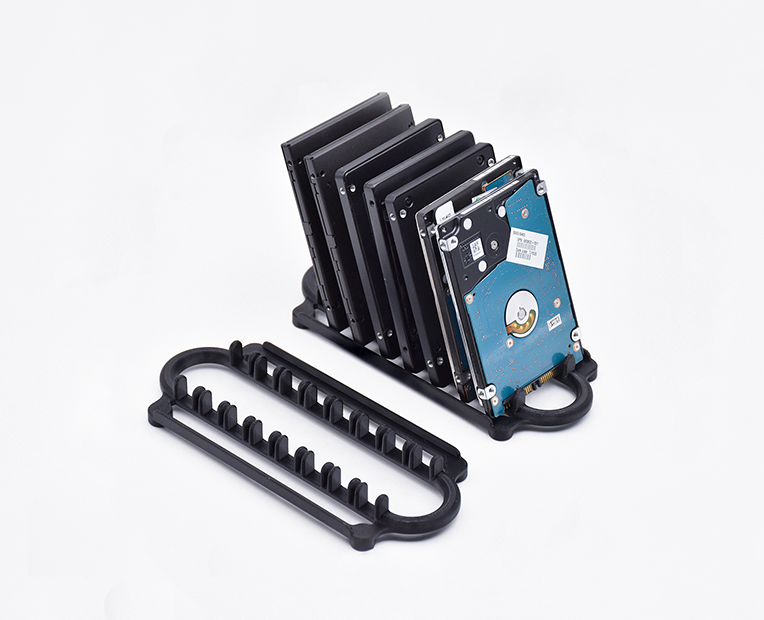
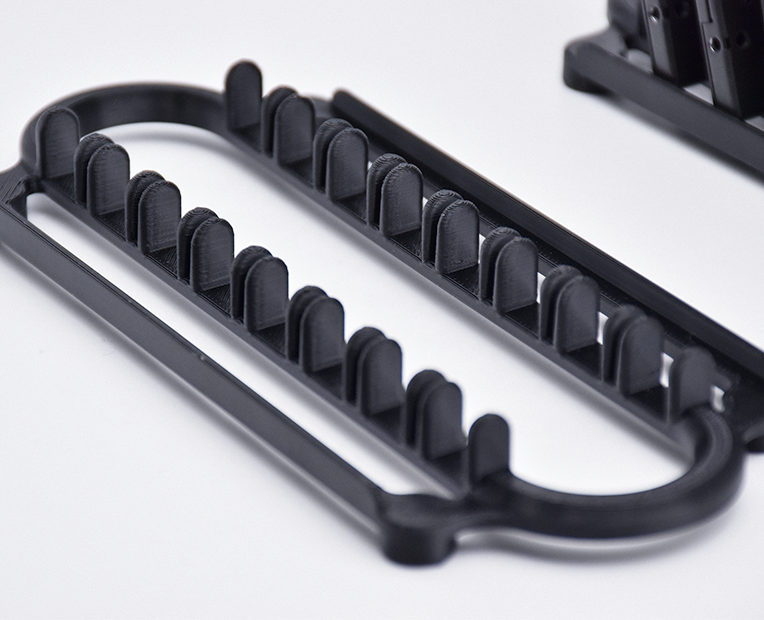
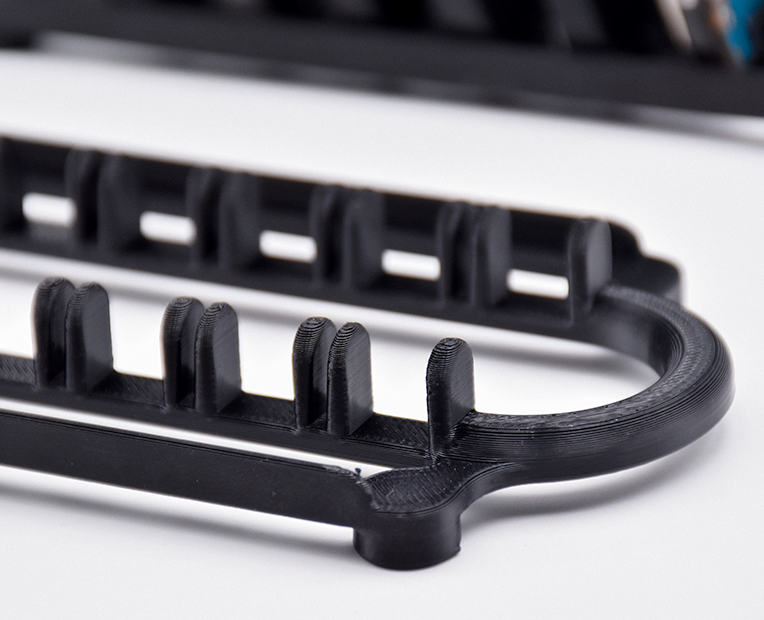
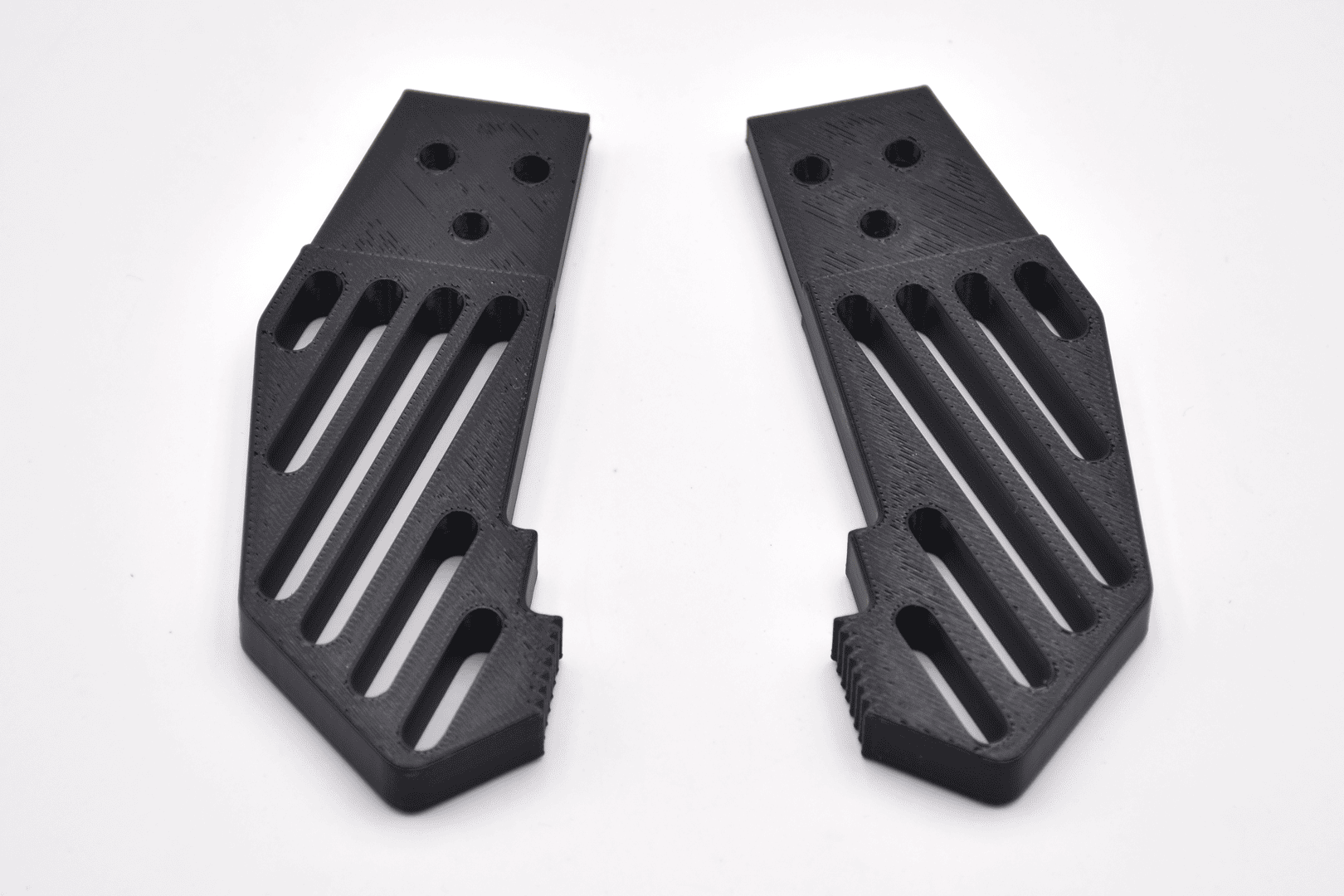
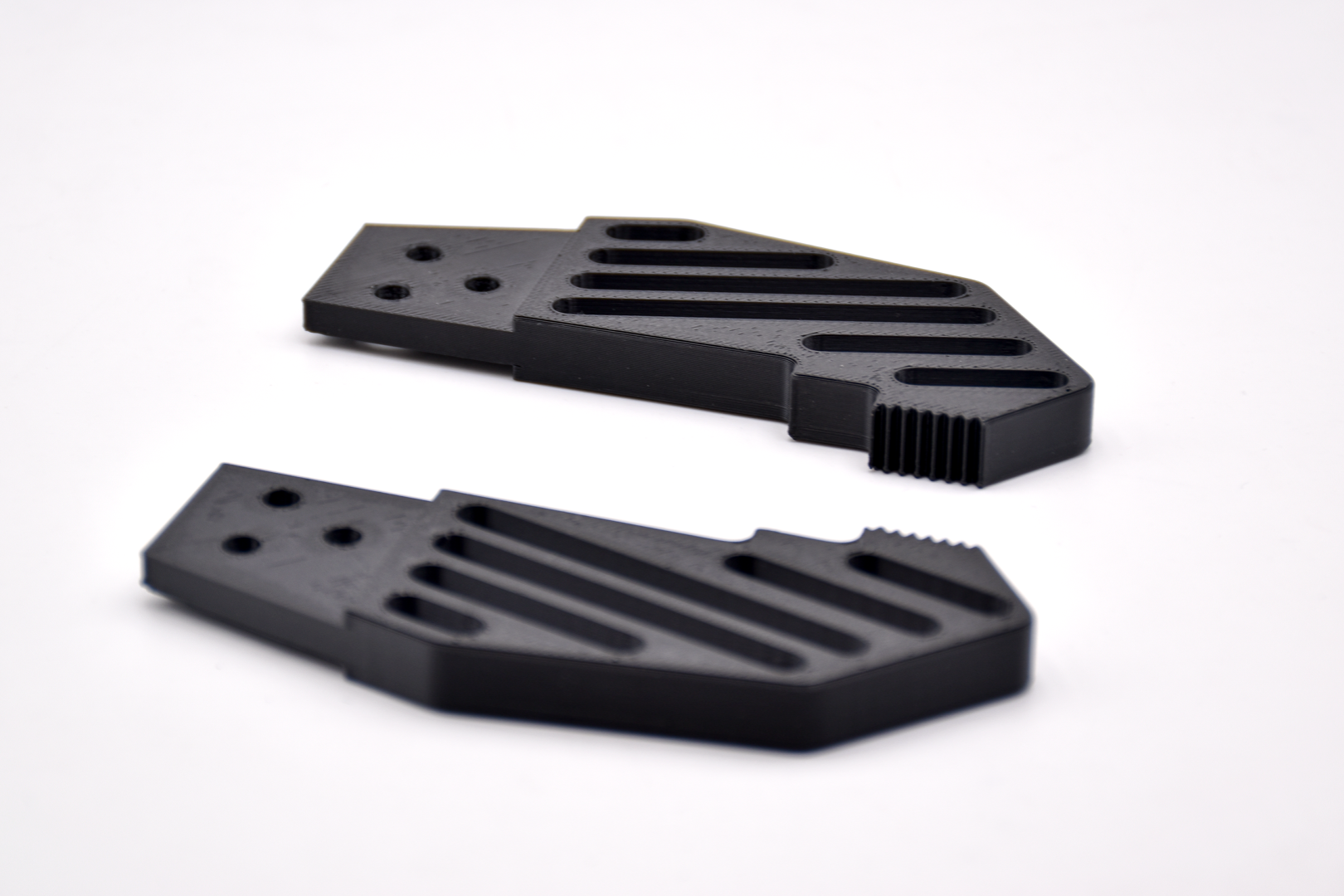
Ensure protection for sensitive electronics with PETG ESD. This material combines the durability of PETG with electrostatic discharge (ESD) properties, making it ideal for enclosures, fixtures, and tools in electronic applications. Designed for FFF 3D printing, it offers reliable performance where ESD safety is essential.
PETG ESD Material Guide
What is PETG ESD ?
PETG (Polyethylene Terephthalate Glycol) is a thermoplastic polymer belonging to the polyester family. It is derived from PET, but modified with glycol to prevent crystallization and brittleness. This modification gives PETG a balanced combination of toughness, impact resistance, and chemical stability, making it a widely used material in both manufacturing and additive processes.
When processed through Fused Filament Fabrication (FFF) 3D printers, PETG filament is heated and extruded layer by layer to create functional parts. The material’s stable thermal behavior allows for consistent layer bonding and mechanical strength, enabling the production of durable prototypes, housings, fixtures, or end-use components tailored to industrial needs.
The ESD (Electrostatic Discharge) variant of PETG is engineered with additives that control surface resistivity and safely dissipate static charges. This property is crucial in environments where sensitive electronic components must be protected from static build-up, which can damage circuits or compromise product reliability. PETG ESD combines the robustness of PETG with reliable ESD protection, making it a trusted choice for enclosures, tooling, and handling systems in electronics manufacturing and assembly.
What are the possible applications for this material?
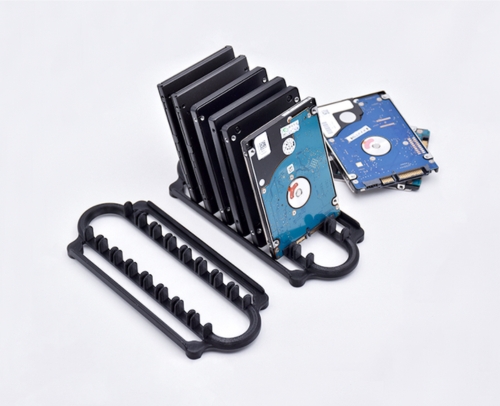
- Jigs and fixture for electronics
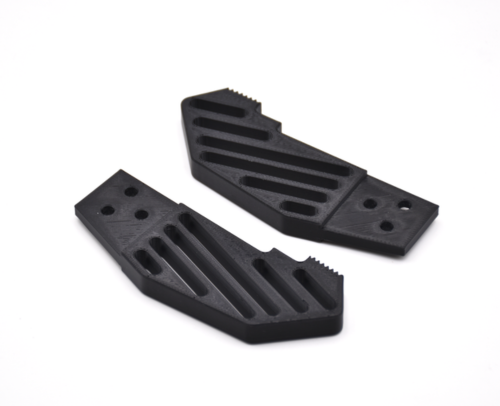
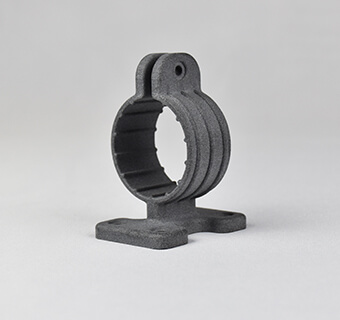
- Tooling
Pricing
The printing price of your design is calculated automatically the moment it is uploaded. As you modify your object (changing material, finishing, size) you will note that the price changes automatically. The pricing is based on a series of factors, including total volume, object size, and bounding box – to name a few.
The estimated shipping time is also calculated automatically as the object is uploaded and each time you make a modification on it. Delivery time should be added to processing time.
For more information, check our pricing page.
How does Fused Deposition Modeling work?
Sculpteo uses a layer by layer process called Fused Deposition Modeling (FDM) to manufacture PETG ESD parts.
Fused Deposition Modeling, also known as Fused Filament Fabrication (FFF), is a 3D printing process where a thermoplastic filament is heated to its melting point and extruded through a fine nozzle. The printer deposits the material layer by layer, following a digital design, until the final object is built. As each layer cools and solidifies, it bonds with the previous one, creating a strong and functional part.
Maximum size | 340 × 320 × 340 mm |
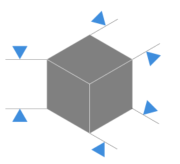
The maximum size of your models are limited by the physical size of our 3D printers – If you’d like to produce larger parts, please contact us! |
Standard Layer thickness: 200 µm
Standard nozzle size: 0.4 mm
Accuracy : +/- 0,3 % (min 0.3mm)
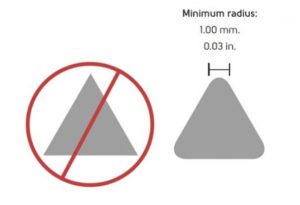
Depending on the selected nozzle diameter, sharp corners may not be printed. Please check Knife/Pointed Edges section to overcome a potential problem

Knife edges/pointed edges will likely to fail during the print process. Round all knife edges with a 1.00 mm (0.03 in.) radius to avoid failing edges.
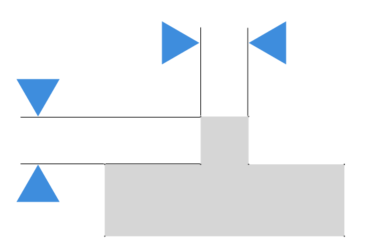
Minimum wall thickness:
1.2 mm
Stemmed elements with support:
1.25 mm
Stemmed elements without support:
2 mm


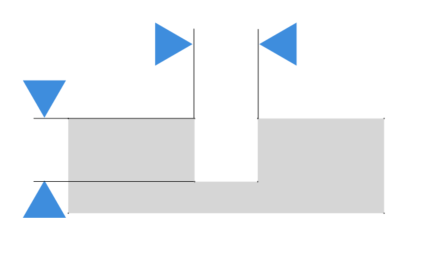
Minimum height and width details: Embossed : 2mm
Engraved : 0.8
Ratio Depth / width: N/A
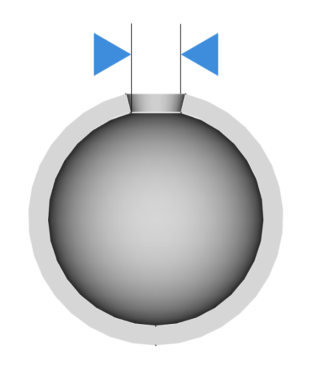
Enclosed parts? No
Interlocking parts? No
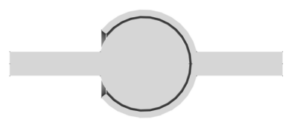
Minimum spacing between fixed walls:
0.5 mm
Minimum clearance between parts:
0.5 mm
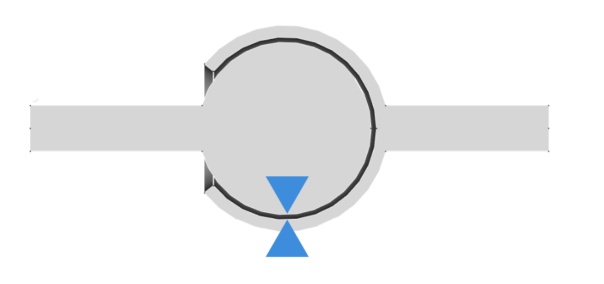
Hollowing? No
Angles under 45° require support structures.
Please keep in mind that surfaces that have connection with support won´t be as smooth as the surfaces without support.
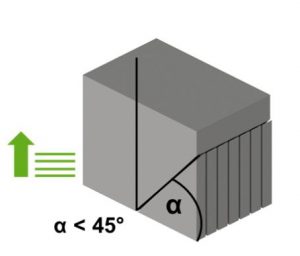
Support structures on edges, holes and corners are difficult to remove and sometimes it is not possible to do so.
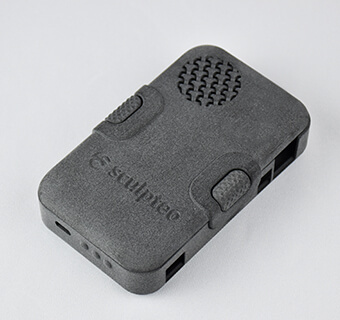
| Value (Dry) | Method | ||
| Young’s modulus (X-Y / Z) | X-Y : 1983 ± 66 MPa Z : 1626 ± 34 MPa | ISO 527, GB/T 1040 | |
| Tensile Modulus (X-Y / Z) | X-Y : 36.1 ± 0.7 MPa Z : 20.7 ± 0.6 MPa | ISO 527, GB/T 1040 | |
| Elongation at Break (X-Y / Z) | X-Y : 7.3 ± 0.5 % Z: 1.8 ± 0.1 % | ISO 527, GB/T 1040 | |
| Bending modulus (X-Y) | 1658 ± 164 MPa | ISO 178, GB/T 9341 | |
| Bending strength (X-Y) | 54.0 ± 3.0 MPa | ISO 178, GB/T 9341 | |
| Notched charpy impact strength (X-Y) | 5.7 ± 0.6 kJ/m2 | ISO 179, GB/T 1043 |
Ready to 3D print with PETG ESD
Every project is unique. Whether you require ESD plastic prototypes, production parts, or custom designs, our 3D printing services can be tailored to your specific needs. We work closely with you to deliver solutions that match your vision.
With our expertise, technology, and commitment to ESD compliance, we’re your trusted partner for projects related to ESD plastic components and products. Contact us today and embark on a journey to 3D-printed ESD solutions that meet your exact specifications. Don’t compromise on quality when it comes to ESD plastic. Choose us and experience the future of 3D printing for Electrostatic Discharge materials.
Connect with Google
Connect with Facebook